Globalization / Globalisering
Chapter 8 of the book Longing - a collection of poems with critique of our current system and signs of a potential regenerative future.

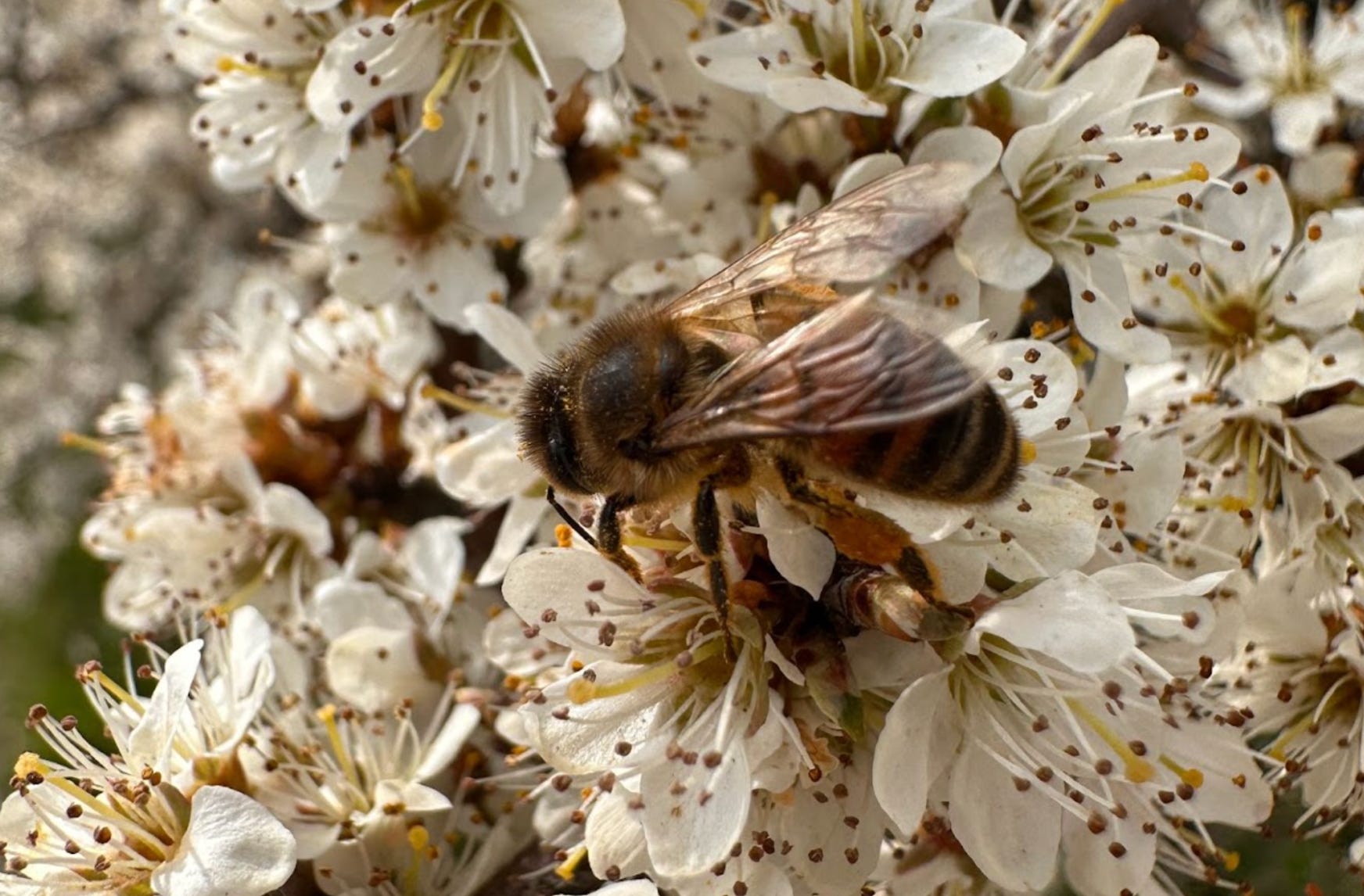
This is the eighth chapter in the book Longing, which highlights some of the negative effects our global system has on the environment and humanity. I do not in any way mean that my poems describe all aspects of the impact of globalizations, neither positive nor negative, but the global system is inherently fragile and contributes heavily to both the warming of our climate and the extraction of shared resources. A sustainable and regenerative future lies in the self-sustained and strong local communities, villages, and small cities. The Swedish versions of the poems come at the end.
We are led by a hand unseen to our eyes
goods that travel from poor to rich,
and the money flows into pockets in the north,
but the local is rising the wisdom from before,
with hands stained brown by the soil’s rich earth
The Salvation of the Unseen

The memory I carry
from my younger years,
the belief in a hand,
unseen to the eye,
yet said to carry the many
from poverty and misery
to civilization’s goal,
material abundance,
through the power
of wealth
in the hands of the few.

Trade across borders,
shrimp traveling to Thailand,
many hands peeling,
often for scraps
that for a moment
quiet screaming stomachs.
Sent back in a box,
served on porcelain
with a glass of white
from the land
where the sun goes to rest.

The global is sold as salvation,
what is called value,
a product in a box,
traveling across the globe,
taken
for a pittance,
profit landing
in an unseen pocket.

A beautiful seabird
covered in oil,
and the crack in the ground
of dusty soil,
a heat from the warmth
that keeps on rising.

A system of transport,
goods that travel,
built in one land,
sold in another,
guarded by the few
who sell their narrative
in a seductive melody,
about the gospel of globalization,
the only road to prosperity,

with the invisible hand
lifting the poor

from misery.Earth’s Soil
Human memory
is older
than the one I hold;
perhaps it can tell
of a wise origin.
Communities, the local ones,
and trade as well,
built on trust,
knowing each other
by name.
A plate of food,
potatoes from the neighbor
and greens of many colors
from the next village.
Meat from Rosa the cow,
who always listened
to your little song
during the stillness of spring.
A localization of responsibility,
to once again be collective,
all for one,
and one for all,
more than romance,
something that gives resilience
and life that roots itself deep.
Stories from our origin,
humans in relation,
living through their place,
caring for life,
seeing nature as family.
Perhaps it’s that simple –
we love those we know;
the answer lies in history,
a time when love
also included
a tree
and the small creature
upon the ground.
What happens
when you are led
by a hand
that is not visible?
Perhaps,
an inner emptiness,
disconnected,
unable to see
the links between a bee
and the bread you eat,
while wealth
continues to collect
in the hands of a few,
and the many
wait for a hand.
Better to trust
a hand you can see,
stained with the soil of the earth,
caring for both human and nature.
A community
where responsibility for life
is both local
and shared.Vi leds av en hand, icke synlig i vår blick varor som reser, ofta från fattig till rik och pengarna flödar, till fickor i norr, men det lokala växer fram, visdomen från förr, med händer färgade bruna, av myllams jord.
Den osynligas frälsning

Minnet jag bär
från mina unga år,
tron på en hand,
osynlig för ögat,
men som ändå
skall bära de många
från fattigdom och misär
till civilisationens mål,
materiellt överflöd,
genom kraften
av rikedom
hos de få.

Handel över gränser,
räkor reser till Thailand,
många händer som skalar,
ofta för smulor
som för stunden
stillar skrikande magar.
Åker tillbaka i låda,
serveras på porslin
med ett glas vitt
från landet
där solen går i vila.

Det globala säljs som frälsning,
det som kallas värde,
en produkt i en box,
reser över klotet,
konsumeras
för en billig penning,
vinst hamnar
i osynlig ficka.

En vacker sjöfågel
täckt av olja,
och sprickan i marken
i dammig jord,
en hetta från värmen
som ständigt stiger.

Ett system av transporter,
varor som reser,
byggs i ett land,
säljs i annat,
vakat av några få

som säljer sitt narrativ
i en förförisk melodi,
om globaliseringens välsignelse,
enda välståndets väg,

med den osynliga handen
som lyfter fattiga

från misär.Jordens mylla
Människans minne
är längre
än minnet jag bär,
tänk om det kan berätta
om ett ursprung
som är vist.
Gemenskaper de lokala,
handel likaså,
bygger på tillit,
känner varandra
vid namn.
En tallrik med mat,
potatis från grannen
och grönt av olika färger,
från byn bredvid.
En gåva från kossan Rosa,
hon som alltid lyssnat,
på din lilla sång
under vårens stilla gång.
En lokalisering av ansvar,
att åter vara kollektiv,
alla för en,
en för alla,
mer än romatik,
något som ger resiliens
och även liv
som håller.
Historier från vårt ursprung,
människan i relation,
levde genom sin plats,
vårdade liv,
såg naturen som familj.
Kanske så enkelt,
vi älskar de vi känner,
svaret finns i historien,
en tid då kärleken
även inkluderade
ett träd,
och krypet
där på marken.
Vad händer när du förs
av en hand
som inte är synlig?
Kanske,
ett inre som är tomt,
frånkopplat,
och inte kan se,
sambanden mellan ett bi,
och brödet du äter,
medan rikedomar
fortsätter att samlas
hos några få,
och en hand,
de många
väntar på.
Bättre att lita
på en synligare hand,
färgad av jordens mylla,
vårdar människa som natur.
En gemenskap,
där ansvar över liv,
är både lokalt
och delat.
This is a powerful and necessary reflection — both poetic and sobering. The contrast you draw between the “unseen hand” and the visible, soil-stained hands of local community hits deeply. A reminder that true sustainability isn’t global convenience, but rooted responsibility. Beautifully written and profoundly timely.